HVAC Las Vegas: Heating and Cooling for the Valley
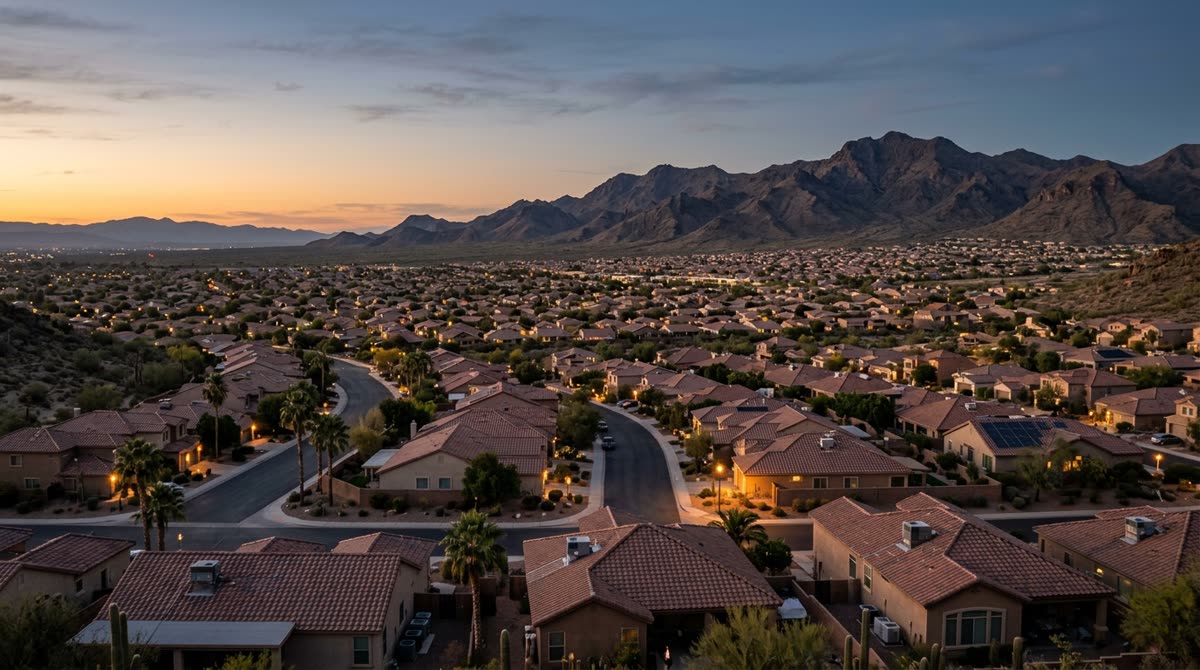
HVAC in Las Vegas covers everything that keeps your home comfortable when the desert pushes temperatures to extremes. At Atlantic, we handle the full range of heating, ventilation, and air conditioning work that valley homes and businesses depend on year round. This page explains what HVAC means, why it matters so much in our climate, and how the different parts of a system work together. Whether you run the air conditioner five months straight or fire up the furnace on a cold January morning, your HVAC system carries the load, and understanding it helps you keep it running.
What HVAC Means for Las Vegas Homes
HVAC stands for heating, ventilation, and air conditioning. It is the single system that warms your home in winter, cools it in summer, and moves fresh, filtered air through every room. In a climate like Las Vegas, that system works harder than almost anywhere else in the country. Summer afternoons routinely break 110 degrees, and a home's air conditioner can run for hours without stopping. A well matched HVAC system handles that demand without straining, while an undersized or aging one struggles, spikes your power bill, and wears out early.
Most valley homes use a split system: an outdoor condenser unit paired with an indoor air handler or furnace. The condenser sheds heat outside, the indoor unit blows cooled air through the ductwork, and a thermostat ties it all together. Among Las Vegas HVAC setups, this layout is by far the most common because it cools large spaces efficiently and shares the same ducts the heating side uses in winter.
How HVAC Companies in Las Vegas Approach the Desert Climate
Desert heat changes how an HVAC system should be sized, installed, and maintained. Sun exposure, dry air, and constant dust all affect performance. Good HVAC companies in Las Vegas size a unit to the home, not just the square footage, factoring in window placement, insulation, ceiling height, and how much afternoon sun a roof absorbs. An oversized unit short cycles and wastes energy; an undersized one never catches up on the hottest days.
Dust is the quiet enemy here. Fine desert grit clogs filters and coats the outdoor coil, which forces the system to work harder to release heat. That is why valley HVAC care leans heavily on clean filters, washed coils, and clear airflow. We inspect refrigerant levels, test electrical connections, and check that the blower moves the right volume of air. These verb-noun tasks, replace filters, clean coils, tighten contacts, are the routine work that keeps a Las Vegas system healthy through a brutal summer.
The Core Parts of an HVAC System
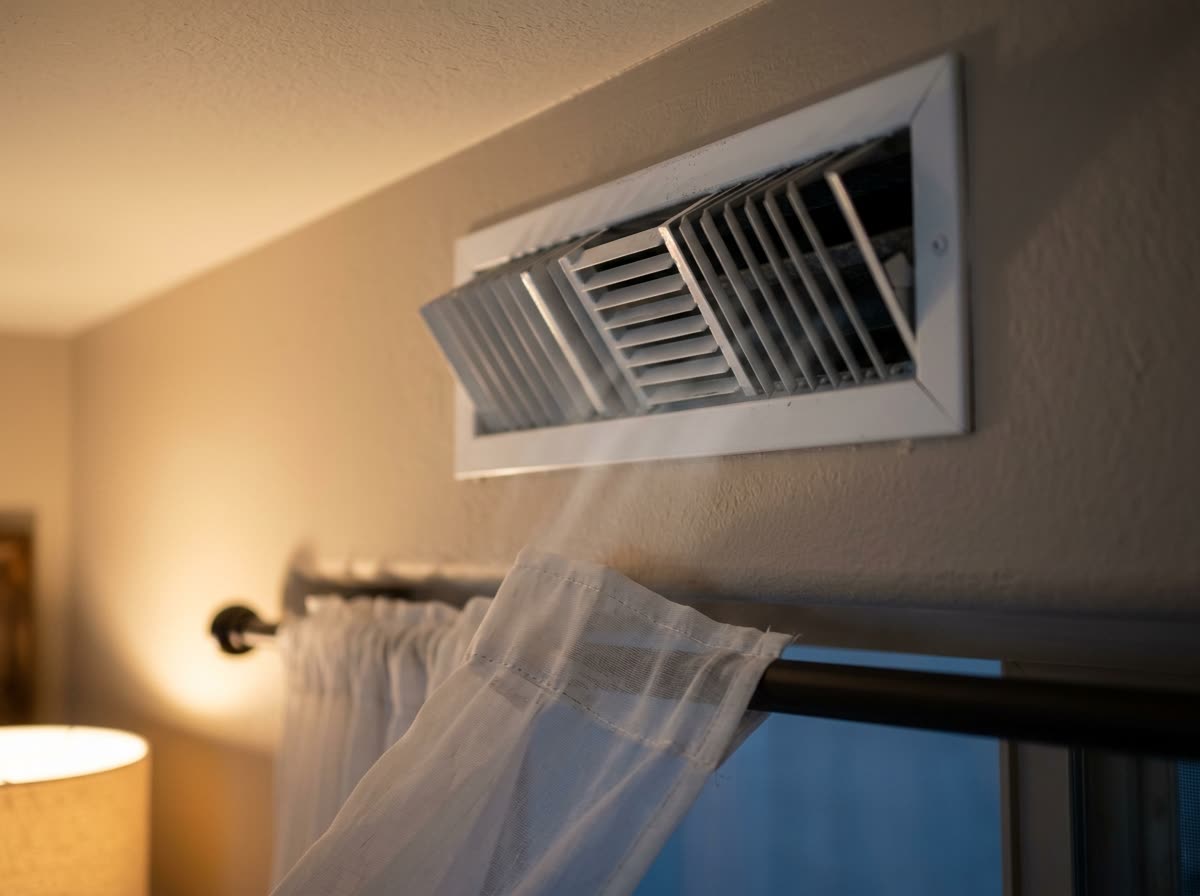
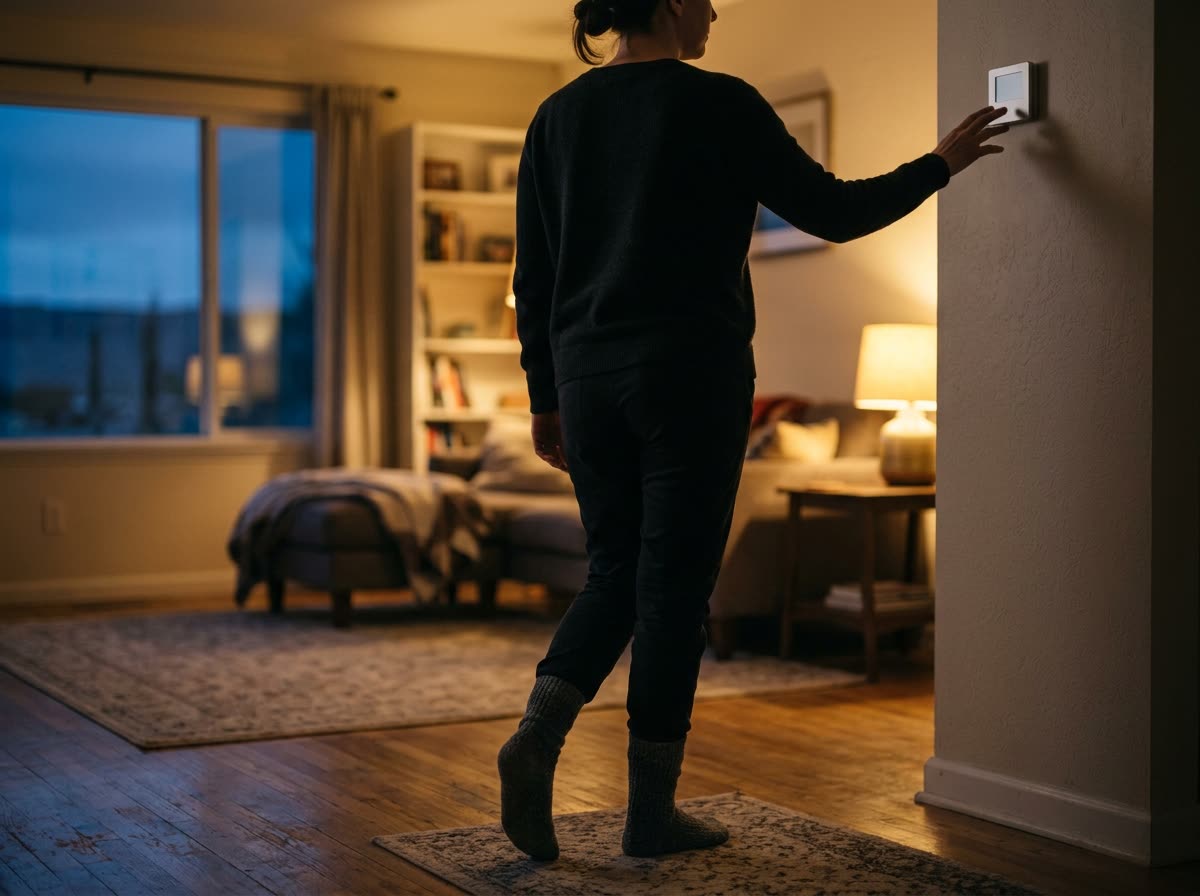
A complete HVAC system has a few main pieces, and knowing what each one does makes problems easier to spot. The condenser sits outside and releases heat pulled from your home. The evaporator coil, usually tucked above the furnace indoors, absorbs that heat from the air passing over it. The furnace or air handler houses the blower motor that pushes conditioned air through the ducts. The thermostat reads the room temperature and tells the system when to start and stop.
Ductwork ties the whole system together, carrying cooled or heated air to each room and pulling stale air back to be filtered. In many older Las Vegas homes, leaky or poorly insulated ducts in a hot attic waste a large share of the energy the system produces. When the parts are matched and sealed well, the system delivers steady comfort. When one piece falls behind, the rest compensate, run longer, and wear faster, which is the early warning sign of a repair on the horizon.
Heating Still Matters in the Valley
It is easy to think of Las Vegas as a cooling-only town, but winter nights regularly dip into the 30s, and a reliable furnace earns its keep. Most homes here run a gas furnace or a heat pump that shares the same ductwork and blower as the cooling side. Because the heating season is short, furnaces often sit idle for months, then get asked to run on the first cold night, which is exactly when neglected units fail.
A balanced HVAC system treats heating and cooling as two halves of one machine. We check the furnace before the season turns, inspect the heat exchanger, test ignition, and confirm the blower hands off cleanly from cooling to heating mode. Treating the whole system as one connected unit, rather than two separate ones, is what keeps a Las Vegas home comfortable in every season.
Frequently Asked Questions
Q: How long does an HVAC system last in Las Vegas? A: Because air conditioners here run so many hours each summer, valley systems often reach the lower end of their expected lifespan. A well maintained system commonly lasts ten to fifteen years, but heavy desert use, dust, and sun can shorten that. Regular maintenance is the single biggest factor in how long a Las Vegas HVAC system holds up.
Q: What is the difference between HVAC and AC? A: AC, or air conditioning, is only the cooling part. HVAC is the complete system that includes heating and ventilation alongside cooling. When people search for HVAC in Las Vegas, they usually mean the whole comfort system, not just the outdoor cooling unit.
Q: How often should an HVAC system be serviced? A: In our climate, twice a year works best, once before the cooling season and once before heating season. The pre-summer visit matters most here because the air conditioner carries the heaviest load. Clean filters and a clear coil make a real difference in how a Las Vegas system performs through the hottest months.
Q: Why is my HVAC system running constantly in summer? A: On extreme days a properly sized unit may run nearly nonstop just to keep up, and that alone is not a fault. But constant running paired with weak airflow or a home that never cools points to a dirty coil, low refrigerant, leaky ducts, or an undersized unit, all common issues in valley homes that are worth inspecting.